A Guide to Venice CA Home Styles, From Bungalows to Lofts
July 23, 2026
July 23, 2026
If you have ever wondered why Venice feels like several neighborhoods woven into one, the homes tell the story. In just a few blocks, you can move from a classic bungalow on a walk street to a canal-front cottage, then past a garden apartment building and into a modern live-work loft. If you are trying to buy or sell in Venice, understanding those style differences can help you make a smarter decision. Let’s dive in.
Venice began as a seaside resort inspired by Venice, Italy, and that early layout still shapes the area today. City planning documents describe a pedestrian-oriented setting with canals, walk streets, bungalows, single-family homes, bungalow courts, apartment houses, and garden apartments.
That layered history is a big reason Venice never feels one-note. The city also identifies multiple historic districts, Historic-Cultural Monuments, and many SurveyLA resources in Venice, which helps explain why older homes and distinct architectural pockets remain such a visible part of the neighborhood.
Another major factor is coastal regulation. Westside planning materials state that about 85 percent of the Venice Community Plan Area sits in the Coastal Zone, so development, remodeling, height, and density decisions are often shaped by the Venice Coastal Zone Specific Plan and related local coastal rules.
For many buyers, this is the classic Venice look. Think smaller-scale homes with character details, older lots, and a more intimate streetscape that reflects the area’s early residential pattern.
City planning documents specifically reference Craftsman bungalows, original Venice cottages, and historic resources tied to early Venice housing. One city historic resource record describes a 1923 Canal Street bungalow court as an excellent and rare example of a 1920s bungalow court in Venice.
If you are searching for the most traditional bungalow feel, the city’s planning materials point to walk-street historic areas and early low-density residential pockets. The draft Venice policy document highlights areas east of Lincoln Boulevard, west of Abbot Kinney in Southeast Venice, and Silver Strand as places where lower-density character remains important.
Older homes often come with more maintenance planning. In a coastal setting like Venice, practical concerns can include the roof, windows, paint, exterior materials, and how well original details have been preserved over time.
If you are selling a bungalow, presentation matters just as much as charm. Buyers usually notice whether the character has been maintained thoughtfully or whether deferred maintenance may become their next project.
The Venice Canals are not just a pretty backdrop. They function as a distinct historic district with their own planning and environmental context, which is one reason canal homes are often viewed as a separate micro-market.
The Lost Venice Canals Historic District sits in northwestern Venice and follows the boundaries of the original canal district. The city’s coastal land use planning also treats the canals as protected open space and notes that they are part of the Ballona Lagoon seawater system.
That setting creates a lifestyle that feels very different from other parts of Venice. A canal-front home may appeal to you if you want water adjacency, a quieter visual setting, and a property type that feels especially tied to Venice history.
The 2018 sea-level-rise assessment notes that rising water can affect tide-gate management, water levels, circulation, and water quality in the canal area. More broadly, the local coastal program says sea level rise can affect shoreline development, beach access, recreation, natural habitats, and canal and oceanfront communities.
That does not mean every canal property faces the same risk in the same way. It does mean you should evaluate drainage, moisture exposure, landscape buffering, and any rules or constraints that may affect the property.
Canal homes tend to attract buyers who are shopping for a very specific setting, not just square footage. That makes location, frontage, privacy, renovation quality, and parking especially important when comparing one property to another.
Venice is also home to apartment houses and garden apartments, and these properties help fill in the middle of the housing mix. They are one reason Venice can feel so varied from block to block rather than uniform across the neighborhood.
The Venice Community Plan directs higher residential densities toward commercial centers and major bus routes while preserving lower-density pockets in other areas. That planning approach helps explain why multi-unit housing may feel concentrated in some sections of Venice and less common in others.
For buyers, condos or units in apartment-style buildings can offer a different entry point into Venice. You may trade private outdoor space for lower yard maintenance, shared amenities, or a location closer to the activity you want.
If you are considering this kind of property, it helps to look closely at building-level upkeep. Shared systems, association oversight, and overall maintenance planning can shape both your monthly experience and long-term costs.
For sellers, this means buyers are often looking beyond the unit itself. They may also compare the condition of common areas, the building’s overall feel, and how well shared responsibilities appear to be managed.
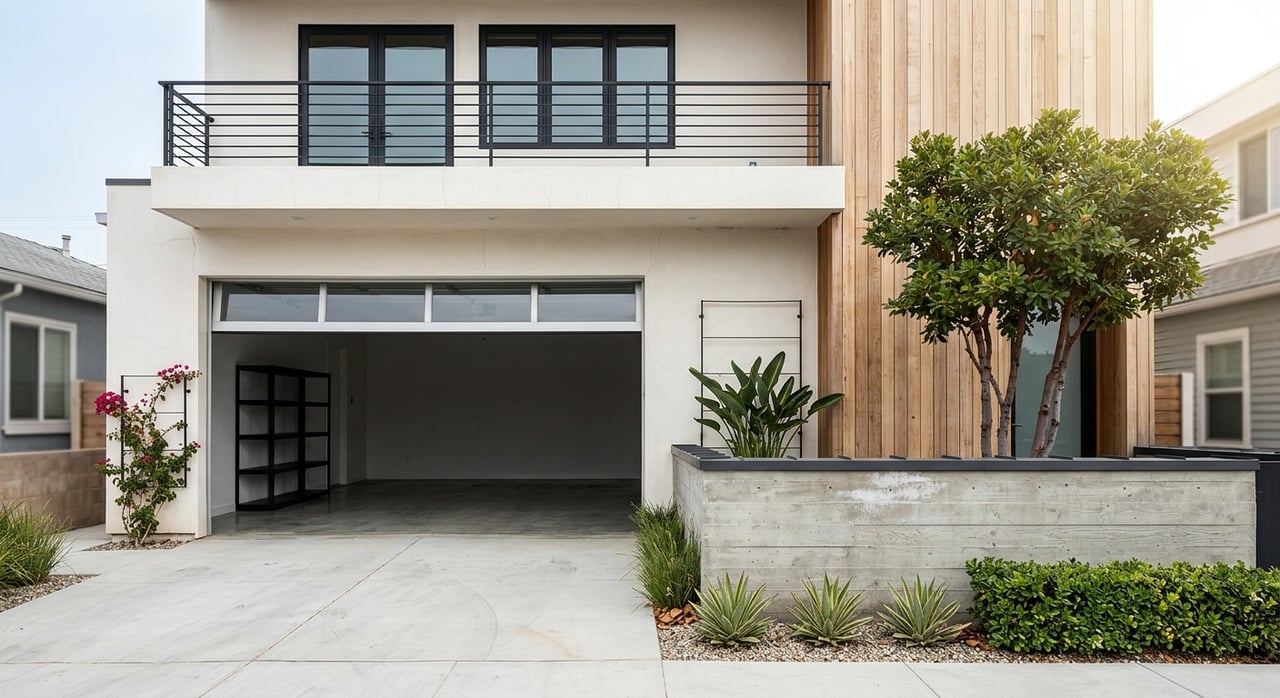
Modern lofts are another important piece of the Venice housing story. They reflect the neighborhood’s more flexible, creative side and often appeal to buyers who want open interiors, higher ceilings, and adaptable use.
The draft 2023 Venice policy document explicitly encourages adaptive reuse into joint live/work spaces and says live/work units can support new businesses. It also identifies hybrid industrial areas near Main and Ocean Front Walk, Venice Boulevard and Abbot Kinney Boulevard, and Main and Rose Avenue.
That planning language helps explain why Venice has a modern loft market at all. These homes often attract buyers who value layout flexibility as much as location.
For sellers, loft marketing usually works best when the home’s flexibility is clear. Buyers want to understand how the space lives, not just how it looks in photos.
One of the biggest mistakes buyers make in Venice is assuming style alone determines price. In reality, market range can be wide even within the same broader neighborhood.
Current market data shows a Venice median sale price of about $1,951,594, a median price per square foot of about $1.19K, and an average of 47 days on market. Recent sales on the same market page ranged from about $1.47 million for a 3-bedroom, 2-bath, 1,220-square-foot home to about $3.675 million for a 4-bedroom, 5-bath, 2,757-square-foot home.
Style-specific examples show that spread too. A Venice bungalow on Penmar Avenue sold for $1.4 million, recent canal-area closings included sales around $2.05 million, $2.1 million, and $3.59 million, and Venice Art Lofts live-work units have recent prices or estimates around $1.30 million to $1.42 million.
The practical takeaway is simple: in Venice, price is often shaped more by location, lot character, renovation level, parking, and building type than by a style label alone.
The right Venice home style depends on how you want to live and what tradeoffs you are comfortable making. A charming bungalow may offer personality and history, while a loft may offer flexibility and lower-maintenance living.
A canal home may give you a one-of-a-kind setting, but it also comes with a more specific environmental and property-management context. An apartment or condo-style option may simplify exterior upkeep, but you will want to understand shared systems and building oversight.
If you are buying, it helps to compare homes by these factors:
If you are selling, the same framework can help you position your property clearly. Buyers respond well when they understand not only the style of the home, but also why that style works for a certain kind of Venice lifestyle.
Venice is not a plug-and-play market. Historic context, block-by-block housing patterns, Coastal Zone rules, and micro-market pricing can all affect how a property is evaluated.
That is why local, practical guidance matters so much here. Whether you are comparing a walk-street cottage to a modern loft or preparing a canal property for sale, you need a clear view of the tradeoffs, not sales pressure.
If you are thinking about buying or selling in Venice, Lisa Potier offers calm, high-touch guidance tailored to Westside and coastal neighborhoods, with hands-on support that helps you move forward with clarity.
Stay up to date on the latest real estate trends.
October 22, 2026
October 15, 2026
October 8, 2026
October 1, 2026
September 24, 2026
September 17, 2026

September 10, 2026
September 3, 2026
August 27, 2026
Whether you’re buying or selling, Lisa offers personalized real estate guidance every step of the way. From evaluating property value to negotiating favorable terms, she is committed to protecting your interests and making the process smooth and stress-free. Reach out today to get started.