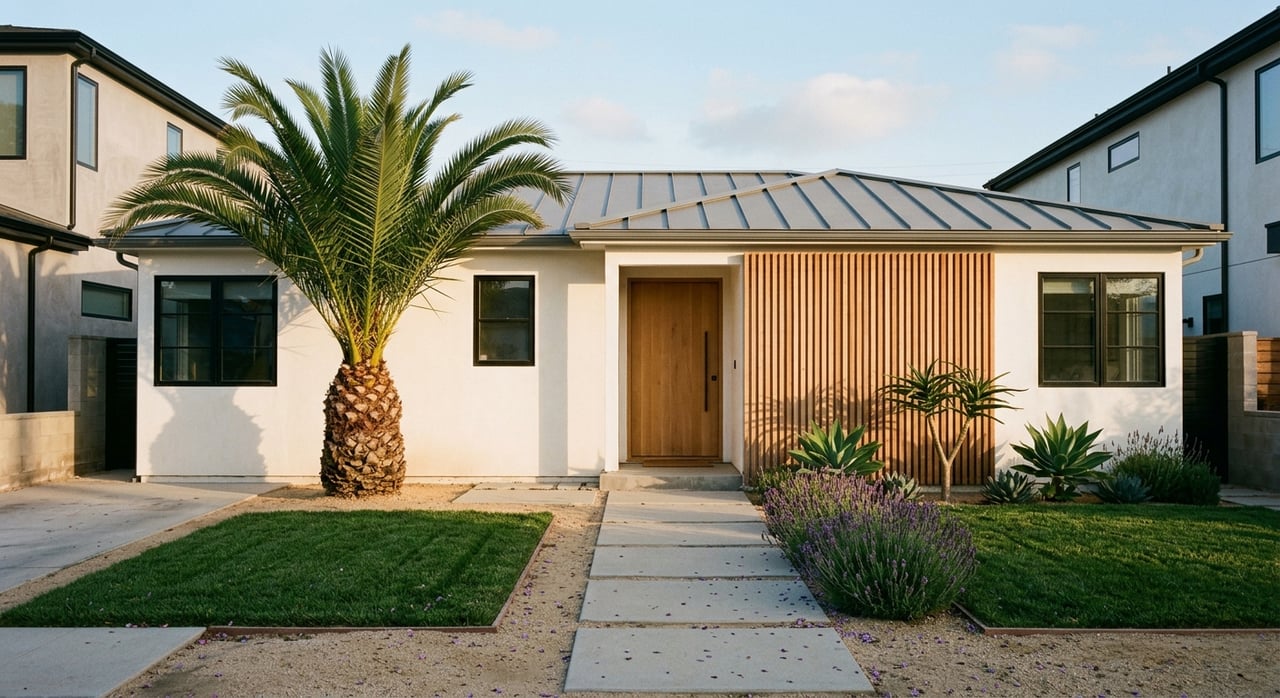
A Manhattan Beach Neighborhoods Guide to Sand, Tree & Hill
July 9, 2026
July 9, 2026
Trying to choose between Manhattan Beach’s Sand, Tree, and Hill areas? You are not alone. These three sections can feel very different in daily life, even though they are all part of the same city. If you are weighing beach access, lot size, parking, and neighborhood feel, this guide will help you compare the tradeoffs clearly so you can focus on what fits your lifestyle best. Let’s dive in.
The biggest differences between the Sand, Tree, and Hill areas come down to location, lot size, housing pattern, and day-to-day convenience. Manhattan Beach planning documents separate the Beach Area, commonly called the Sand Section, from the Tree Section and the Hill Section for good reason.
The Sand Section is the most beach-oriented part of the city. It contains much of Manhattan Beach’s multi-family rental housing, and its lots are generally the smallest of the three areas. The city also notes that parking for residents and visitors is in short supply there.
The Hill Section is primarily single-family residential and is defined by larger lots and a more residential street scale. The Tree Section is also mostly single-family, with mature trees and a neighborhood pattern that often feels more yard-oriented than the Sand Section.
One of the simplest ways to compare these areas is to look at the city’s development standards. Those standards help explain why the same price point can buy a very different kind of home experience depending on where you focus.
In the Hill Section, Area I lot standards are listed at 7,500 to 15,000 square feet, with a 50-foot minimum width. That larger footprint often creates more separation between homes and more room for outdoor space, depending on the property.
For many buyers, that translates into a stronger sense of privacy and a quieter residential rhythm. The tradeoff is that you are usually farther from the immediate beach-and-downtown environment that defines the Sand Section.
In the Tree Section, Area II standards are 4,600 to 10,800 square feet, with a 40-foot minimum width. That places Tree in the middle ground between Sand and Hill.
In practical terms, Tree often appeals to buyers who want a single-family setting with more breathing room than the Sand Section, but who do not necessarily need the largest lots in the city. It is a useful option if you want a balance of neighborhood feel, outdoor space, and parking ease.
In the Sand Section, or Beach Area, Area III standards are 2,700 to 7,000 square feet, with a 30-foot minimum width. Those smaller lot dimensions are a big reason the Sand Section feels denser and more compact.
That compact setup can be a plus if your priority is being close to the beach, downtown, walkstreets, and the energy of coastal living. It can be a drawback if you want more lot width, easier parking, or more separation between homes.
If you picture Manhattan Beach and immediately think of the pier, The Strand, walkstreets, and beach access, you are probably picturing the Sand Section. This is the most beach-centric part of the city, built around the coastline and the features that many buyers associate with the classic Manhattan Beach lifestyle.
The city highlights 2.1 miles of beachfront, the 928-foot pier, and activities on The Strand such as walking, running, biking, skating, and skateboarding. It also points to downtown and walk streets as signature parts of the visitor experience.
The Sand Section usually works best for buyers who want maximum beach and downtown access and are comfortable with a smaller-lot environment. If you want to step into a more walkable coastal routine, Sand may rise to the top of your list quickly.
At the same time, parking is one of the biggest practical issues to think through here. Manhattan Beach maintains eight public parking lots with 899 spaces, plus the upper and lower pier lots, but the city’s Housing Element still states that beach-area parking is in short supply.
That does not mean the Sand Section is not a fit. It simply means you should evaluate each listing with clear eyes and a daily-use mindset.
When you tour homes in the Sand Section, pay close attention to:
These details matter because two homes only blocks apart can live very differently once you factor in parking, access, and lot layout.
The Tree Section often appeals to buyers who want a more traditional residential setting while still being in Manhattan Beach. The city describes it as almost exclusively single-family residential, and its planning documents note that the area is especially known for mature trees and tree-lined streets.
That tree canopy is not just a visual detail. Manhattan Beach’s Tree Ordinance is designed to preserve healthy canopies and neighborhood character, which helps explain why the area has a distinct identity within the city.
The Tree Section can be a strong fit if you want a mostly single-family neighborhood with a better yard-and-parking balance than the Sand Section. For many buyers, it feels more detached and less compressed, while still keeping you within Manhattan Beach.
The city also has a Tree Section resident permit parking program aimed at reducing non-resident parking. That is a meaningful day-to-day difference if parking convenience ranks high on your wish list.
Tree is also part of the inland group of neighborhoods that often rely on school grounds for recreation, rather than the concentration of public open space found in the Beach Area. That distinction can help you think more realistically about how and where you expect to spend your free time.
The Hill Section is typically where buyers look when they want the most space of the three areas. According to the city’s Housing Element, it is primarily single-family residential, with commercial and higher-density residential development limited to Sepulveda Boulevard and Manhattan Beach Boulevard.
That planning framework supports a more residential feel overall. It also helps explain why many buyers see Hill as a space-and-privacy choice first.
If your priority is a larger lot, more separation, and a quieter residential scale, the Hill Section may make the most sense. It is the clearest contrast to the Sand Section’s compact, beach-focused layout.
The tradeoff is that you are usually choosing space over immediate beach access. For some buyers, that is exactly the right move. For others, being able to walk more easily to the pier, downtown, or The Strand may matter more than lot size.
If you are stuck between the three, it often helps to stop thinking in general labels and start thinking about how you want to live every day. Your best fit usually becomes clearer once you rank your non-negotiables.
Sand usually fits you best if your top priority is being close to the beach and downtown, and you are comfortable with smaller lots and more parking friction. This is the most beach-forward choice.
Tree usually fits you best if you want a primarily single-family environment with mature trees, more lot space than Sand, and a stronger balance between outdoor space and parking.
Hill usually fits you best if you want the largest lots and the quietest residential scale. If your daily routine is less tied to immediate beach access, Hill can offer a very different kind of value.
No matter which area interests you most, a smart comparison starts with a few practical questions. These can help you avoid falling in love with a location before you understand how the home will actually function for you.
Ask about:
These questions are especially useful when you are comparing homes across sections, because the tradeoffs are not always obvious from listing photos alone.
There is no single “best” section in Manhattan Beach. There is only the area that best matches your priorities. Some buyers want the Sand Section’s beach access and walkability. Others prefer the Tree Section’s residential feel and mature canopy, or the Hill Section’s larger lots and quieter scale.
The key is to compare each area based on how you will actually use the home, not just how the neighborhood sounds on paper. If you want calm, practical guidance as you narrow your options in Manhattan Beach and nearby coastal markets, Lisa Potier can help you weigh the tradeoffs and move forward with confidence.
Stay up to date on the latest real estate trends.
October 15, 2026
October 8, 2026
October 1, 2026
September 24, 2026
September 17, 2026

September 10, 2026
September 3, 2026
August 27, 2026
August 20, 2026
Whether you’re buying or selling, Lisa offers personalized real estate guidance every step of the way. From evaluating property value to negotiating favorable terms, she is committed to protecting your interests and making the process smooth and stress-free. Reach out today to get started.