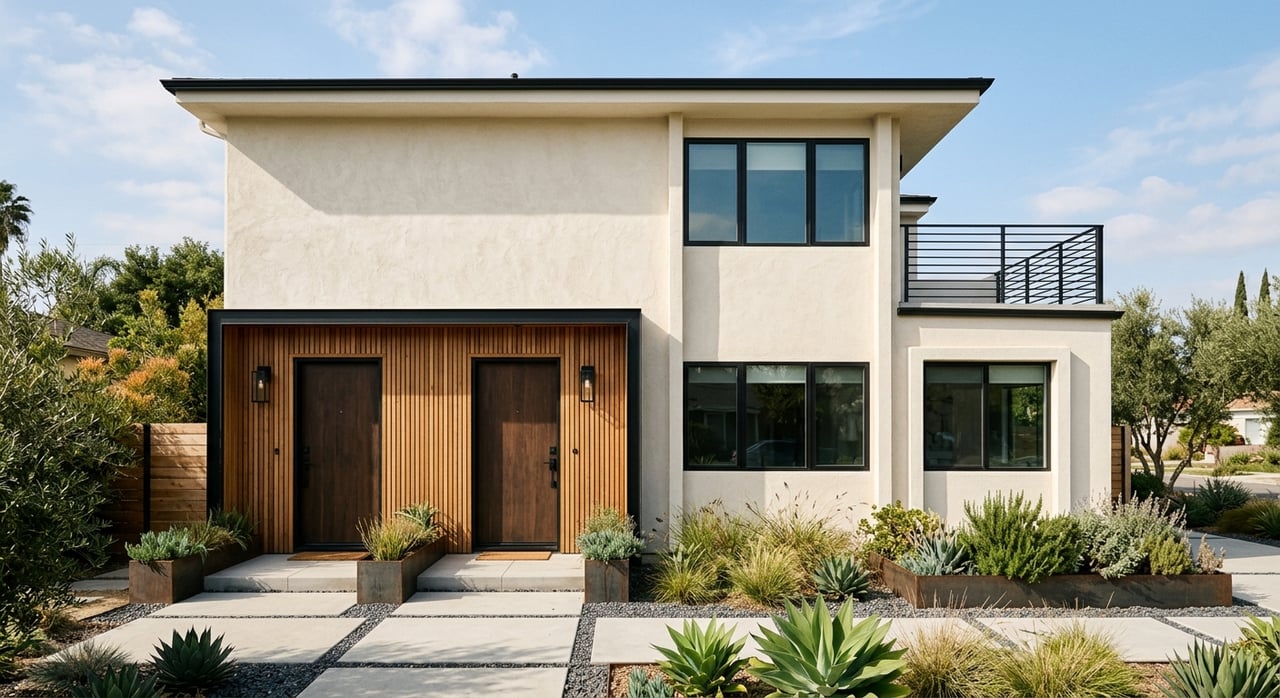
Understanding the Culver City Housing Market Today
May 14, 2026
May 14, 2026
If Culver City feels like one of those places everyone is watching right now, you are not imagining it. Buyers are still competing for well-located homes, sellers are seeing strong interest, and the city’s mix of houses, condos, studios, and transit access keeps it firmly in the Westside conversation. If you are trying to decide whether to buy, sell, or simply wait for a better moment, this guide will help you understand what the numbers really say and how to use them. Let’s dive in.
Culver City remains a competitive market in spring 2026. Redfin’s March 2026 data shows a median sale price of $1.45 million, with homes selling in about 37 days and receiving an average of three offers. That same data labels the city very competitive, which fits what many buyers and sellers are experiencing on the ground.
At the same time, active listing data gives you another useful angle. Realtor.com’s April 2026 snapshot shows 147 homes for sale, a $999,700 median listing price, a 42-day median time on market, and a 101% sale-to-list ratio. These figures track different parts of the market, so they are best read together rather than treated as direct apples-to-apples comparisons.
The big takeaway is simple. Demand is still strong, but buyers do have choices, and sellers still need to price and present their homes carefully. In a market like this, strategy matters on both sides.
Culver City’s appeal is not just about housing. It is also about location, daily convenience, and access to major job centers on the Westside. The area’s connection to entertainment and media remains a major part of its identity, with Amazon Studios tied to both The Culver Studios campus and The Culver Steps, and Sony Pictures Studios also located in Culver City.
The city also benefits from a central Westside location near Santa Monica, Beverly Hills, and LAX. For many buyers, that means a shorter or more manageable commute, easier access to surrounding neighborhoods, and a location that feels connected without being exactly the same as denser nearby areas. That combination continues to support demand.
Transit adds another important layer. The Metro Culver City station is served by the Metro E Line, and the city’s downtown corridor connects the station to Downtown Culver City and the Arts District. Culver CityBus also runs seven regular routes plus one BRT line and serves nearby communities including Palms, Mar Vista, Westchester, Playa Vista, and Culver City.
For you as a buyer or seller, this matters because homes near downtown, transit, and studio corridors often attract extra attention. Many people are looking for convenience, easier commuting, and lower-maintenance living. In Culver City, those features can carry real weight.
One reason Culver City stands out is its housing mix. According to SCAG’s local housing profile, the city includes 39.1% single-family detached homes, 9.0% single-family attached, 11.7% multifamily 2 to 4 units, 39.0% multifamily 5+ units, and 1.2% mobile homes. Another SCAG profile shows 48.1% of units in single-family categories and notes that 59% of the housing stock was built before 1970.
That tells you Culver City is not dominated by just one type of property. You will find a real split between traditional houses and condo or apartment-style options. This gives buyers a wider range of entry points than in some nearby neighborhoods that lean more heavily toward one product type.
For sellers, that variety also means your competition may not look exactly like your home. A detached home, townhome, or condo may each appeal to a different buyer pool. Understanding where your property fits is a key part of building the right pricing and marketing plan.
If you are buying in Culver City, expect competition, especially for homes with strong location advantages. Properties near downtown, studios, or transit may draw more interest because they line up with how many buyers want to live on the Westside today. Homes that offer convenience and lower maintenance can be especially attractive.
It also helps to be clear about the type of home that fits your goals. If you want more privacy, outdoor space, or a traditional single-family setup, your search may look very different from someone prioritizing a condo near restaurants, transit, and job centers. Culver City can work for both, but the search strategy is not the same.
In a mixed housing market, you benefit from narrowing your priorities early. Think about your ideal balance of price, upkeep, commute, and layout. That kind of clarity can help you move quickly when the right property appears without feeling rushed into the wrong one.
If you are selling in Culver City, the strong market does not mean every home sells itself. The city’s 101% sale-to-list ratio is encouraging, but pricing and presentation still matter. Buyers are paying attention to value, condition, and location, even when the market is active.
This is where preparation can make a real difference. Well-presented homes that are priced with current competition in mind often stand out faster than homes that feel unfinished or misaligned with buyer expectations. In a market with both houses and condos competing for attention, a thoughtful launch matters.
For some sellers, that may mean handling deferred maintenance, coordinating vendors, or adding staging support before going live. For others, it may mean adjusting expectations based on the specific buyer pool for the property. A calm, organized plan usually creates a better result than assuming the market will do all the work.
Culver City often lands in the middle of the Westside comparison set, which is part of its appeal. It offers strong connectivity and a real mix of housing types, without leaning as heavily toward one lifestyle or property category as some nearby areas do. That can make it a smart option if you want flexibility.
Mar Vista currently sits higher on price. Redfin’s March 2026 data shows a median sale price of $2.075 million, and Realtor.com’s April 2026 snapshot shows a $2.1 million median listing price. Inventory also suggests a stronger single-family orientation.
If you are comparing the two, Mar Vista may appeal more if you are focused on detached homes and are comfortable with a higher price point. Culver City, by contrast, offers a broader housing mix and stronger transit ties. For many buyers, that creates a different kind of value.
Palms is the lower-cost, more condo-friendly alternative. Redfin shows a March 2026 median sale price of $1.249 million, while Realtor.com’s current snapshot shows a $1.25 million median listing price and 57 homes for sale. The neighborhood also has a large rental presence, with Realtor.com showing 365 rentals available and a median rent around $3,200.
If your top priority is a lower entry price or low-maintenance living, Palms may be worth a look. Culver City generally offers a more balanced mix of housing options and stronger identity as a studio and transit hub. For buyers trying to split the difference between convenience and product variety, Culver City often feels like the middle ground.
Westchester is relatively close to Culver City on price but has a more detached-home feel. Redfin’s March 2026 data shows a median sale price of $1.51 million, and Realtor.com shows 67 homes for sale with a $1.699 million median listing price. Active inventory patterns also suggest a more house-centric market.
If you want a more suburban feel and are focused on single-family living, Westchester may fit better. If you want stronger transit connections, a more mixed housing stock, and easier access to downtown Culver City and studio employment hubs, Culver City may be the better match. The right choice depends on how you want your daily life to work.
The simplest way to understand Culver City right now is this: it offers urban convenience with housing variety. You can find condos, houses, and other multifamily options, while also benefiting from a central Westside location, studio presence, and E Line access. That combination is not easy to replicate nearby.
For buyers, this means Culver City can be a strong fit if you want options and connectivity. For sellers, it means the location story is still powerful, especially when your home is well-positioned and well-prepared. In a market where convenience carries value, Culver City continues to stand out.
Whether you are buying your first condo, moving up to a house, or getting ready to sell, local strategy matters more than broad headlines. If you want clear guidance, thoughtful preparation, and a calm approach to the process, Lisa Potier is here to help.
Stay up to date on the latest real estate trends.
October 15, 2026
October 8, 2026
October 1, 2026

September 24, 2026
September 17, 2026

September 10, 2026
September 3, 2026

August 27, 2026
August 20, 2026
Whether you’re buying or selling, Lisa offers personalized real estate guidance every step of the way. From evaluating property value to negotiating favorable terms, she is committed to protecting your interests and making the process smooth and stress-free. Reach out today to get started.